


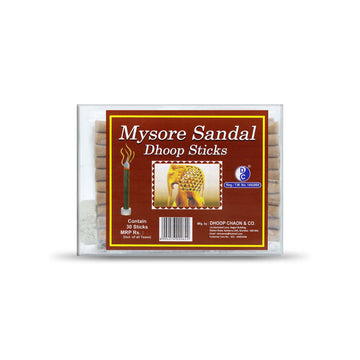


Festival Home Fragrance: Best Dhoop & Incense Picks from Dhoop Chaon
Nov 27, 2025
If you are looking for authentic festival fragrances that transform your home into a sacred space, Dhoop Chaon has offered premium handcrafted dhoop sticks and incense made from natural herbs and essential oils since 1964. Our chandan, loban, and speciality blends combine traditional craftsmanship with modern quality standards, creating long-lasting aromas perfect for pooja, meditation, and festive celebrations.
Best Dhoop Varieties for Festival Celebrations
Festivals in Indian culture are multisensory experiences. Fragrance plays a transforming role. Each dhoop variety carries specific spiritual meaning and creates distinct atmospheric effects.
Best Chandan Dhoop Sticks for Sacred Rituals
Sandalwood has been the cornerstone of Indian spiritual practices for thousands of years. The best Chandan Dhoop creates a cooling, meditative atmosphere. It helps centre the mind during pooja. The woody, sweet aroma fills spaces with warmth without overpowering.
Chandan works best during morning rituals. Light one stick thirty minutes before pooja. The fragrance builds slowly, preparing the space. Dhoop Chaon's chandan variants maintain their scent for 40 to 50 minutes. Much longer than typical incense sticks.
Best Loban Dhoop for Cleansing and Protection
Loban (benzoin resin) holds a special place in festival preparations. People burn it before major celebrations like Diwali or Navratri. The best loban dhoop is believed to cleanse negative energies and create protective barriers around homes.
The fragrance is heavier and more resinous than chandan. Deep, slightly sweet, and grounding. During Diwali prep, burning loban dhoop in each room works best. Moving from the entrance inward. This ancient practice called "dhoop pherna" creates a purified foundation for festivals.
Specialty Blends: The Comfort Series
Dhoop Chaon's Comfort series combines camphor and lemongrass. This flagship offering repels mosquitoes while creating a fresh, uplifting atmosphere. Perfect for outdoor festival gatherings or terrace celebrations. The camphor provides a cooling sensation. Lemongrass adds a contemporary, spa-like quality.
Why Quality Matters in Dhoop Selection
The best quality dhoop sticks aren't about getting the most sticks for your money. They're about what those sticks contain and how they burn.
The Charcoal Content Factor
Premium dhoop uses minimal or zero charcoal. Charcoal-free formulations burn cleaner. Produce less smoke. Release pure fragrance without toxic fumes. Cheaper alternatives load charcoal as filler. That creates overwhelming smoke and dark residue.
When celebrating festivals with family, especially young children or elderly relatives, air quality becomes critical. The best dhoop for home use prioritises natural burning agents over cheap fillers.
Natural vs. Synthetic Fragrances
Real sandalwood essential oil costs significantly more than synthetic counterparts. Many manufacturers take shortcuts. Dhoop Chaon's commitment to natural fragrances means products cost slightly more. But the difference is immediate. Natural fragrances have complexity and depth. They evolve as they burn rather than maintaining a single, flat note.
When to Use Different Types of Dhoop
Timing and context matter in getting the most from dhoop.
Daily Pooja Routine
For everyday worship, stick with the best dhoop for pooja staples. Chandan or mogra (jasmine). These fragrances are gentle enough for daily use without becoming overwhelming. Light them 15 to 20 minutes before pooja time. This allows fragrance to prepare the space.
Dhoop Chaon's standard dhoop sticks burn for about 40 to 50 minutes. Perfect timing for morning or evening rituals. Place the holder in a central location where air can circulate. This distributes the fragrance naturally.
Festival Preparations
Major festivals demand more intentional fragrance strategies. For Diwali, begin with loban dhoop three days before. Perform daily cleansing rituals. This builds energetic momentum toward the main celebration.
On festival day, use the best-scented dhoop in the primary pooja area. Typically chandan or a speciality blend. For guest areas and secondary rooms, lighter fragrances like rose or lavender create a welcoming ambiance. They don't compete with the main pooja space.
Meditation and Yoga Practice
The best Chandan dhoop sticks work well for meditation. Sandalwood has documented effects on parasympathetic nervous system activation. It helps the body relax. Burn the dhoop 10 minutes before meditation begins. Then extinguish it as practice starts. The lingering fragrance supports concentration without visual distraction.
Seasonal Considerations
During humid summer and monsoon months, heavier scents like loban can become too much. Switch to lighter options. Lemongrass blends or rose work beautifully when the air already feels thick.
Winter festivals like Makar Sankranti or Basant Panchami pair well with warming fragrances. Good luck dhoop varieties containing kesar (saffron) and herb blends shine during these times. Their richness matches the season's energy.
Where to Place Dhoop Holders for Maximum Effect
Placement affects fragrance distribution. Burning safety. Spiritual efficacy. All three matter.
The Pooja Room
The primary worship space deserves the most thoughtful approach. Place the dhoop holder on a stable, heat-resistant surface. Keep it at least 12 inches from walls, curtains, or hanging fabrics. A brass dhoop stand positioned on the right side of the altar creates visual and energetic balance.
Never place burning dhoop right under air conditioning vents or ceiling fans. Forced air circulation creates uneven burning. Can blow ash across sacred items. Natural airflow works far better for distributing fragrance evenly.
Common Living Spaces
For festival gatherings in living rooms or dining areas, corner placement works well. Corners allow fragrance to circulate along walls before filling the centre of the room. Creates gradual immersion rather than overwhelming guests right away.
Keep dhoop holders elevated. On shelves, mantels, or side tables rather than at floor level. Warm fragrance rises naturally. So mid-height placement (3 to 4 feet) optimises distribution.
Outdoor and Semi-Outdoor Areas
Terraces, balconies, and courtyards present unique challenges. Wind can put out dhoop quickly. Use deeper holders or partly sheltered spots. For outdoor evening festivals, position multiple holders around the perimeter. This creates a fragrant boundary without overwhelming the central gathering space.
Dhoop Chaon's camphor-lemongrass blend works great in outdoor settings. It discourages mosquitoes while maintaining that spiritual atmosphere festivals require.
How to Identify High-Quality Dhoop
Choosing the best quality dhoop requires a discerning eye. Here's what to look for.
Visual Inspection
Quality dhoop sticks have uniform colour and texture throughout. Cheap alternatives show streaking or colour variations, indicating inconsistent mixing. Dhoop Chaon's products maintain a consistent appearance through precise formulations.
Check for excessive oils or moisture. Premium dhoop should feel slightly dry to the touch. Not sticky or too soft. Moisture indicates either poor storage conditions or questionable ingredient quality.
The Burn Test
Quality dhoop should ignite easily without excessive flame. Burn steadily without constant relighting. Produce minimal smoke with thin, wispy trails rather than thick clouds. Release consistent fragrance intensity throughout the burn. Leave clean, light-coloured ash behind.
If test dhoop creates headaches, leaves dark residue, or requires constant relighting, move on to better options.
Packaging Quality
Sealed, moisture-proof packaging protects fragrance integrity during storage and shipping. Dhoop Chaon uses vacuum-sealed packets inside boxes. Freshness reaches customers intact.
Look for clear ingredient information and manufacturing dates. Transparent brands have nothing to hide about their formulations or production timelines.
Price Reality Check
High-quality, naturally-fragranced dhoop cannot be dirt cheap. Essential oils cost money. Natural resins cost money. Traditional manufacturing processes cost money. If pricing seems too good to be true, it probably involves synthetic shortcuts.
Premium doesn't mean astronomical pricing. Dhoop Chaon positions itself in the mid-to-upper range. More expensive than mass-market brands but accessible compared to boutique artisanal options. This balance reflects their at-scale traditional manufacturing approach.
Health and Safety Considerations
Not all dhoop is safe for prolonged exposure. Here's what to keep in mind.
Indoor Air Quality
Even natural incense releases particulate matter into the air. While Dhoop Chaon's charcoal-free formulations reduce this concern, responsible use still matters. Maintain good ventilation during and after burning. Open windows or doors for fresh air circulation.
For individuals with respiratory sensitivities, asthma, or COPD, even the best dhoop sticks require extra caution. Consider using dhoop in adjacent rooms. Or opt for shorter burning periods.
Children and Pets
Young children and pets explore their world through smell and taste. Safety becomes critical. Keep burning dhoop well out of reach. Both the flame itself and the holder stay hot long after the stick goes out.
Scheduling pooja before young children wake up allows the space to air out before they enter. Maintains the spiritual practice without compromising their respiratory health.
Proper Use and Storage
Never leave burning dhoop unattended. When finished, don't just let it burn out. Extinguish by dipping the burning end in water or sand. This prevents fire hazards from loose ash or embers.
Store unused dhoop in cool, dry places away from direct sunlight. Heat degrades natural fragrances over time. Keep dhoop in airtight containers or sealed bags in cool, dark places.
Well-stored dhoop maintains quality for 1 to 2 years. If dhoop develops musty smells, unusual discolouration, or won't stay lit, replace it regardless of when purchased.
Making Your Festival Fragrance Choice
The choice becomes personal. What transforms your home into sacred space? What fragrances honour both tradition and contemporary lifestyle?
Dhoop Chaon's sixty-year legacy in crafting the best dhoop for home and spiritual use provides a reliable foundation. For upcoming festivals, start with a foundational trio. Quality chandan for daily rituals. Loban for cleansing and major celebrations. The camphor-lemongrass blend for outdoor gatherings.
Remember that the best-scented dhoop isn't necessarily the most expensive. It's the one that elevates your practice and creates the atmosphere your family needs. Dhoop Chaon offers exactly that. Tested through decades. Trusted across generations. Ready to transform your next festival celebration.
FAQs
Q. Which dhoop fragrance is best for attracting prosperity during festivals?
Good luck dhoop typically contains ingredients like kesar (saffron), sandalwood, and specific herb combinations. For Diwali, loban and chandan remain the most recommended. Dhoop Chaon offers both traditional options that align with time-tested practices.
Q. How long should dhoop burn during daily pooja versus festivals?
Daily pooja typically requires 20 to 40 minutes of burning time. Dhoop Chaon's offerings burn for 40 to 50 minutes, perfect for standard practices. Festivals allow longer burning periods throughout the day. Just ensure adequate ventilation and never leave burning dhoop unattended.
Q. Can dhoop really purify air or is it just fragrance?
Traditional belief holds that ingredients like loban, guggal, and camphor spiritually cleanse spaces. Scientific studies show benzoin resins can reduce airborne bacteria counts. However, dhoop doesn't replace proper ventilation and cleaning. Think of it as creating conducive atmosphere that signals sacred space has been established.
Q. Is Dhoop Chaon's dhoop suitable for people new to incense?
Yes. The products represent that sweet spot between accessible and authentic. Start with chandan varieties for classic fragrance profiles. The best chandan dhoop provides a reliable baseline for understanding quality dhoop. Avoid jumping straight to complex blends or heavy resins like pure loban until fragrance literacy develops.
Q. How should dhoop be stored to maintain freshness?
Keep dhoop in airtight containers or sealed bags in cool, dark places. Glass jars stored in cabinets away from heat and humidity work well. Never store near strong-smelling items like spices or cleaning products. Keep different fragrance varieties separated to prevent cross-contamination. Well-stored dhoop maintains quality for 1 to 2 years.
Q. What's the difference between dhoop sticks and regular incense sticks?
Traditional dhoop sticks are bamboo-free, made from pure extruded incense paste. Regular incense sticks (agarbatti) have a bamboo core coated with incense paste. Best dhoop sticks burn thicker and produce a more concentrated fragrance. They're closer to ancient incense forms used in traditional practices. Dhoop Chaon specializes in both formats.
Q. Can different dhoop fragrances be mixed in one pooja?
Experts advise against it unless there's specific training in traditional practices. Each fragrance creates its own energetic effect. Mixing creates muddled experiences. For variety, burn different fragrances one after another, not simultaneously. Start with cleansing scents (loban, camphor), then progress to grounding options (chandan, rose). Dhoop Chaon offers pre-blended speciality formulations that combine complementary fragrances expertly.
Q. Why does some dhoop create headaches while others don't?
This problem traces back to synthetic fragrances or excessive charcoal content. Synthetic compounds trigger histamine responses. Charcoal smoke irritates respiratory systems. If experiencing headaches, ensure adequate ventilation, switch to natural ingredient brands like Dhoop Chaon, and reduce burning time. Some people are sensitive to specific natural fragrances too. Avoid those varieties rather than abandoning dhoop entirely.


